
Advanced Dental Implants
Restore Your Smile with Personalized Tooth Replacement Options
Missing teeth can affect chewing, speech, and confidence. Dental implants may offer a long-term tooth-replacement option for suitable patients.
At Smileworx Dental Clinic, we assess each patient’s oral health and discuss appropriate treatment options, from single-tooth replacement to more extensive full-mouth rehabilitation.
What Are Dental Implants?
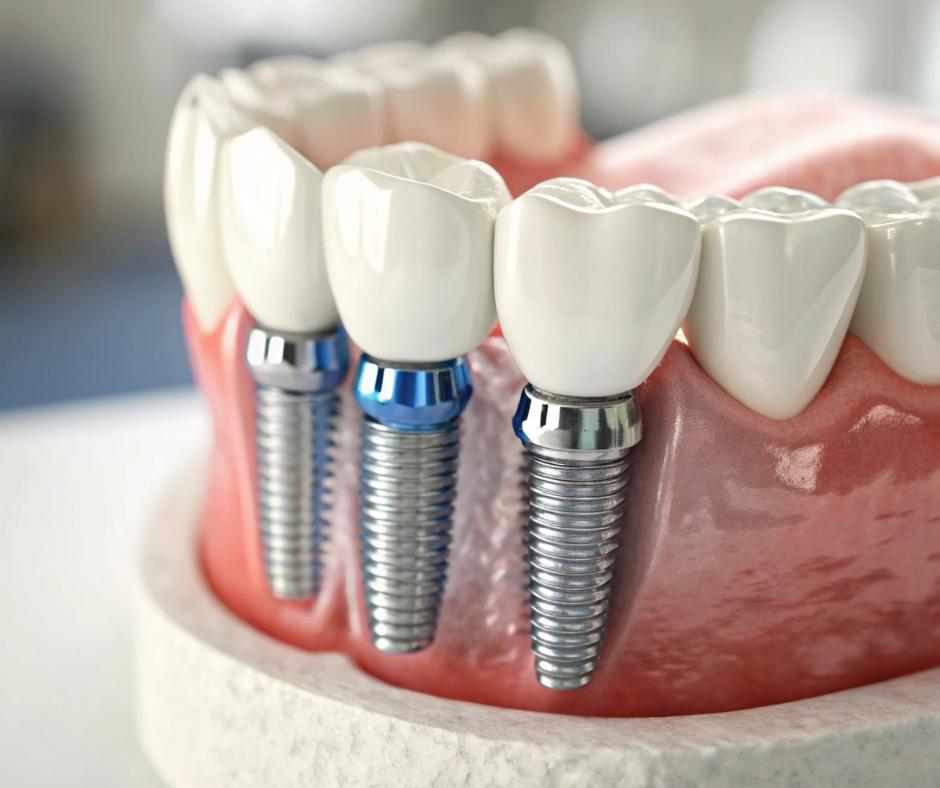
Dental implants are small posts, commonly made from titanium, that are placed in the jawbone to support replacement teeth. Depending on the treatment plan, an implant may support an individual crown, a bridge, or a larger prosthetic restoration.
Suitability depends on your oral health, bone condition, medical history, and individual treatment requirements.
Dental Implant Treatment Options
Single Tooth Implants
An option for replacing an individual missing tooth with an implant-supported crown when clinically suitable.
Multiple Dental Implants
Implant-supported restorations may replace several missing teeth. The number and positioning of implants depend on the clinical assessment and proposed restoration.
Full-Mouth Rehabilitation
For patients with extensive tooth loss or severely compromised teeth, a comprehensive assessment may help determine whether implant-supported full-arch restorations or alternative treatments are appropriate.
Potential Benefits of Dental Implants
-
Replace missing teeth with fixed restorations in suitable cases.
-
Support chewing function and everyday comfort.
-
Provide a tooth-replacement option designed around your dental needs.
-
Help restore the appearance of your smile.
-
Offer a foundation for different types of dental restorations.
Implants require proper planning, ongoing oral hygiene, and regular professional reviews. Outcomes and longevity vary between patients.
Our Dental Implant Treatment Process
1. Comprehensive Consultation
We discuss your dental concerns, expectations, and medical history.
2. Clinical Assessment
Your provider evaluates your oral health and determines whether dental imaging or other investigations are needed.
3. Individualized Treatment Planning
Your treatment options, expected stages, costs, risks, and alternatives are explained before proceeding.
4. Implant Placement
If appropriate, implant placement is carried out according to the agreed clinical plan.
5. Restoration and Follow-up
After the required healing and assessment, the planned crown, bridge, or other restoration may be fitted. Ongoing maintenance is important.
Frequently Asked Questions
Are dental implants suitable for everyone?
Not always. Bone condition, gum health, medical history, and other factors affect suitability.
How long does dental implant treatment take?
Treatment can take several months or longer, depending on healing, the need for additional procedures, and the restoration plan.
Are dental implants permanent?
Implants can provide long-lasting tooth replacement, but they require ongoing care. The implant and its restoration may need maintenance or replacement over time.
Is dental implant treatment painful?
The procedure is performed with appropriate anesthesia. Some discomfort or swelling can occur afterward, and your clinician will explain how to manage recovery.